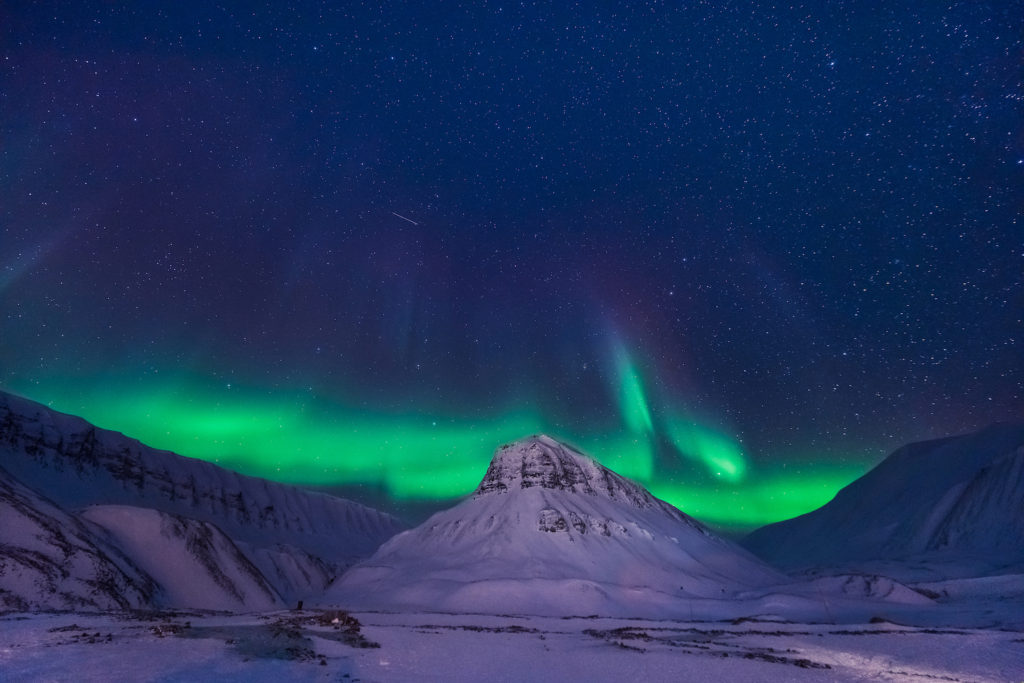
Within the substantial latitudes in the Earth, the common rhythm of dawn and sunset breaks down. Higher than the Arctic Circle and below the Antarctic Circle, Earth’s axial tilt creates Severe seasonal gentle cycles often called the midnight Solar and the polar night. For weeks—or perhaps months—the sun doesn't set in summer time or rise in winter. These environments aren't simply curiosities of astronomy; they reshape biology, psychology, architecture, perform patterns, and tradition. Existence below Severe seasons is surely an ongoing adaptation to mild by itself. I am Guss Woltmann and I will explain how all this is effective.
The Astronomy At the rear of Infinite Working day and Countless Evening
The phenomena of limitless daylight and prolonged darkness are immediate outcomes of Earth’s axial tilt and orbital mechanics. Earth is tilted somewhere around 23.five degrees relative towards the airplane of its orbit within the Sunshine. This tilt—not the gap from your Sun—is the first driver of seasonal variation. As Earth revolves on a yearly basis round the Sunlight, various hemispheres alternately tilt toward or clear of incoming photo voltaic radiation, generating shifts in each temperature and working day size.
At latitudes previously mentioned 66.five° north and south—acknowledged respectively because the Arctic Circle and the Antarctic Circle—the lean has an Severe effect. All through community summer season, the pole tilts towards the Sunshine sufficiently that photo voltaic declination stays high plenty of for your Solar to remain above the horizon for an entire 24 hours or maybe more. This steady illumination is called the midnight Solar. The closer a person moves for the pole, the longer the length of uninterrupted daylight. In the geographic poles by themselves, the Sun rises the moment on the spring equinox and continues to be noticeable, tracing a gradual circular route in the sky, until eventually it sets in the autumn equinox—causing roughly six months of daylight.
The reverse takes place in the course of area winter. Every time a pole tilts away from the Sunshine, photo voltaic declination turns into inadequate to deliver the Sunshine above the horizon. This generates polar night time, a period for the duration of which the Solar doesn't increase in the slightest degree. Once more, length improves with latitude. Near the poles, darkness can persist for months, even though It is far from absolute; civil twilight may still give dim illumination depending on the Sunlight’s angle underneath the horizon.
The key astronomical variable governing these extremes is solar declination—the angular placement with the Solar relative to Earth’s equatorial plane. As declination oscillates in between +23.5° and −23.5° All year long, locations near the poles periodically enter zones exactly where Earth’s curvature stops sunrise or sunset from transpiring.
These styles are mathematically predictable and repeat on a yearly basis with precision. However their experiential effects—months outlined by one dawn or sunset—display how a modest axial tilt generates a lot of the World’s most dramatic environmental contrasts.
Biological Clocks Under Strain
Human physiology is organized about circadian rhythms—endogenous, around 24-hour cycles regulated through the suprachiasmatic nucleus (SCN) while in the hypothalamus. This inside pacemaker synchronizes bodily procedures for example hormone secretion, snooze–wake timing, core temperature, metabolism, and cognitive alertness. Its Principal environmental cue, or zeitgeber, is gentle. Beneath normal problems, the day by day sample of dawn and sunset reinforces circadian alignment. In areas enduring midnight Sunlight or polar evening, that external sign results in being distorted or disappears completely.
All through durations of ongoing daylight, exposure to persistent mild suppresses melatonin secretion, the hormone accountable for advertising sleep onset. Without a apparent sign of darkness, men and women usually expertise delayed sleep phases, sleeplessness, and fragmented relaxation. Your body’s internal clock may drift afterwards on a daily basis, creating a type of “social jet lag,” especially when do the job schedules continue being set. Cortisol rhythms, Usually peaking each morning to advertise alertness, can flatten or shift, influencing Strength regulation and mood steadiness.
Conversely, prolonged darkness throughout polar night time lowers light-mediated stimulation of your SCN. Decrease mild depth—notably within the blue spectrum—can dampen circadian amplitude and add to hypersomnia, lethargy, and lowered cognitive sharpness. Seasonal Affective Disorder (Unfortunate) is more commonplace at larger latitudes, reflecting how diminished photoperiod influences serotonin exercise and mood regulation. Synthetic mild becomes a therapeutic intervention rather then a usefulness; timed bright-gentle exposure is frequently prescribed to stabilize circadian timing.
Beyond snooze and temper, metabolic processes are afflicted. Circadian misalignment is affiliated with impaired glucose regulation, urge for food disruption, and altered immune functionality. For communities living underneath Intense photoperiods, structured routines—fastened sleep schedules, controlled light-weight exposure, and deliberate darkness for the duration of rest intervals—function compensatory mechanisms.
Importantly, adaptation occurs. Citizens of superior-latitude regions typically develop behavioral techniques that buffer Organic pressure: blackout curtains in summer time, light-weight therapy in winter, and culturally embedded routines that impose temporal construction when pure cues are unreliable. Nonetheless, the strain is authentic. The circadian system developed underneath predictable cycles of sunshine and dark; when Individuals cycles prolong to months or months, biology must negotiate among environmental extremes and inside equilibrium.
Psychological Consequences of Light Extremes
Light does a lot more than control slumber; it modulates temper, cognition, inspiration, and social conduct. In environments formed by midnight Sunshine or polar night time, psychological equilibrium becomes intertwined with photoperiod. Extended daylight and prolonged darkness Each and every exert unique but Similarly profound psychological consequences.
During steady daylight, the absence of normal temporal boundaries can make refined cognitive overstimulation. In the event the sun by no means sets, the day feels psychologically unfinished. Several men and women report problem disengaging from exercise, a lessened perception of closure, and heightened restlessness. Slumber deprivation compounds these consequences, amplifying irritability, impulsivity, and lessened govt functionality. Without darkness signaling relaxation, efficiency and leisure blur, eroding perceived composition. Although some working experience elevated temper and greater sociability all through dazzling months, This could certainly often idea towards hypomanic designs in vulnerable people, Particularly exactly where circadian disruption is pronounced.
Polar night presents another psychological profile. The sustained absence of daylight can compress perceived time and slim emotional bandwidth. Decreased light publicity influences serotonin and dopamine devices, which lead to mood regulation and reward processing. As daylight shrinks to a faint horizon glow—or disappears solely—Electricity stages typically decline. Motivation may perhaps wane, social withdrawal can raise, and concentration might weaken. For many, this manifests as Seasonal Affective Dysfunction, characterized by persistent reduced temper, carbohydrate cravings, hypersomnia, and diminished fascination in Typically rewarding things to do.
Notion of Area and environment also shifts. In prolonged darkness, landscapes truly feel enclosed and introspective; in endless daylight, expansiveness can sense liberating or disorienting. Social psychology investigation suggests that collective temper fluctuates seasonally in large-latitude communities, influencing community rhythms, get the job done designs, and even conflict frequency.
Still psychological response is not really uniform. Cultural framing and expectation form experience. Wherever Severe seasons are normalized and built-in into communal rituals—Winter season festivals, summer months gatherings—men and women frequently report resilience rather then pathology. Anticipation itself results in being protective; when darkness is recognized as cyclical instead of long-lasting, which means buffers distress.
Finally, Severe light-weight circumstances problem the mind’s reliance on environmental rhythm. Human psychology is dependent upon distinction—activity and relaxation, brightness and shadow. When that contrast collapses into monotony, no matter whether luminous or dim, the psyche need to assemble its very own boundaries to maintain steadiness.
Architecture, Design and style, and Designed Atmosphere
In areas described by midnight Solar and polar night, architecture is just not basically aesthetic—it is adaptive infrastructure. Structures ought to compensate for environmental extremes that disrupt biological rhythm, psychological stability, and day-to-day operation. The built surroundings gets a mediating layer concerning celestial mechanics and human habitability.
Light management is central. In regions of ongoing daylight, household and professional structures frequently integrate blackout programs, layered curtains, and adjustable shading to simulate nighttime. Bedrooms are intended as managed darkness zones, enabling circadian alignment even when the exterior remains vibrant. Conversely, for the duration of polar evening, architecture prioritizes gentle amplification. Substantial south-struggling with windows (within the Northern Hemisphere), reflective interior surfaces, and strategic artificial lighting methods increase obtainable illumination. Substantial-lux, entire-spectrum lights is commonly applied indoors to counteract seasonal temper decrease and retain alertness.
Thermal effectiveness is Similarly essential. Excessive chilly for the duration of prolonged darkness needs outstanding insulation, triple-glazed windows, airtight envelopes, and heat Restoration air flow devices. Electricity-successful style and design will not be optional—it decides survival and economic sustainability. Compact urban scheduling cuts down warmth reduction and exposure, while interconnected properties allow for motion devoid of consistent exposure to severe temperature.
Shade and content selection also influence psychological perfectly-staying. In prolonged winters, interiors usually feature heat tones, normal wood, and tactile materials that counteract environmental austerity. Community spaces may include vibrant façades to offset monochromatic landscapes dominated by snow or darkness. During unlimited summer season light, shading products, deep overhangs, and cool-toned interiors average sensory depth.
Urban style and design adapts too. Street lights in polar night ought to stability protection with visual comfort, averting glare towards snow and ice. Public collecting spaces develop into anchors of social cohesion, compensating for seasonal isolation. In higher-latitude towns including Tromsø and Reykjavík, civic scheduling intentionally integrates cultural venues, Wintertime festivals, and pedestrian-pleasant layouts to maintain activity Irrespective of climatic constraints.
In the end, architecture in Serious latitudes performs a regulatory perform. It restores rhythm wherever nature withholds it, softens environmental severity, and constructs psychological continuity. In doing this, the built setting becomes not only shelter, but a deliberate extension of human adaptation to astronomical extremes.
Do the job, Economic system, and Day by day Rhythms
Intense seasonal gentle cycles reshape not only biology and psychology but additionally financial composition and daily productiveness. In locations governed by midnight Sunlight and polar evening, time results in being much less intuitive. The absence of typical dawn and sunset cues forces societies to formalize rhythm through policy, infrastructure, and cultural follow.
In the midnight sun, productivity can surge. Extended daylight expands perceived prospect, encouraging longer Functioning hrs, outside labor, and tourism exercise. Industries which include construction, fishing, Vitality exploration, and hospitality compress key functions into these luminous months. In significant-latitude economies, summer often functions as an economic acceleration stage, the place profits era offsets slower Winter season intervals. Metropolitan areas like Anchorage practical experience heightened seasonal exercise as tourism peaks less than continual daylight.
Yet this intensity carries risk. With out distinct temporal boundaries, overwork turns into normalized. Staff could knowledge snooze financial debt and cognitive tiredness, lowering extended-phrase efficiency. Organizations often counterbalance this by implementing structured schedules Inspite of environmental ambiguity—preset get the job done hrs, blackout lodging, and regulated shift systems manage operational steadiness.
Polar evening, In contrast, tends to compress social and professional Electrical power. Minimized daylight can lower buyer foot visitors and dampen discretionary investing. Out of doors sectors deal, even though indoor industries—digital services, investigate, production—grow to be comparatively resilient. Remote and awareness-dependent perform models have tested notably adaptive in these environments, as productivity results in being considerably less dependent on exterior situations.
Change operate also plays a important part. In northern resource economies, for example These in Murmansk, rotational labor units accommodate seasonal extremes. Employees may run in concentrated blocks followed by prolonged leave, aligning human endurance with environmental intensity.
Daily rhythms need to be consciously made. Educational facilities, workplaces, and general public institutions retain stringent timekeeping to forestall psychological drift. Artificial lights schedules simulate working day progression indoors, when communal occasions anchor months and months in shared experience.
Eventually, extreme seasons usually do not reduce productivity—they reorganize it. Financial everyday living adapts by concentrating output in the course of abundance and sustaining continuity as a result of structure for the duration of scarcity. Where the Sunlight fails to offer temporal clarity, establishments and routines assume the part of environmental clock, preserving steadiness in a landscape the place purely natural rhythm disappears.
Cultural Adaptation and Identity
In regions shaped because of the midnight Solar and polar night, tradition isn't going to basically endure environmental extremes—it absorbs them into id. Light and darkness grow to be in excess of atmospheric disorders; they function as organizing metaphors for Neighborhood, resilience, and belonging.
Seasonal distinction generally buildings cultural calendars. Summer festivals, outdoor gatherings, and athletic activities intensify for the duration of infinite daylight, reworking abundance into celebration. In northern Norway, for example, communities in Tromsø hold concerts and public occasions under the midnight Sunlight, framing continual mild like a symbol of vitality and openness. The setting gets an Energetic participant in collective practical experience.
Conversely, polar evening cultivates interiority. Traditions emphasize heat, storytelling, craft, and communal intimacy. In Icelandic Culture centered close to Reykjavík, Winter season gatherings, literary tradition, and artistic production flourish during extended darkness. Rather Scandinavia Blog then resisting the time, cultural techniques reinterpret it for a duration of reflection and inventive depth.
For Indigenous Arctic communities, such as the Sámi individuals across northern Scandinavia, seasonal extremes are embedded in cosmology, subsistence styles, and social Group. Migration cycles, reindeer herding rhythms, and ceremonial traditions align with environmental transitions. Below, adaptation is just not reactive—it truly is ancestral information formalized into identity.
Language alone generally encodes environmental nuance. Vocabulary may well differentiate delicate variations of sunshine, snow, or seasonal transform, reinforcing environmental literacy across generations. This kind of linguistic precision reflects lived intimacy with Serious problems.
Importantly, resilience turns into a shared narrative. Enduring months of darkness or navigating perpetual daylight is framed as being a marker of toughness and communal solidarity. The environment styles not merely conduct but also collective self-conception: to belong is to face up to.
Modern day infrastructure and international connectivity have softened environmental hardship, nonetheless cultural identification remains seasonally anchored. People usually describe psychological attachment towards the rhythm of extremes—lacking the midnight Sunlight’s energy when absent, or acquiring convenience in the contemplative stillness of polar evening.
In the end, Serious seasons cultivate cultures that do not request uniformity with temperate norms. Alternatively, they Develop identification about distinction. Light and darkness develop into dual forces shaping custom, creativity, and social cohesion—transforming astronomical phenomena into enduring cultural this means.
The Human Capability to Adapt
Everyday living beneath the midnight Solar and polar night in the long run reveals some thing elementary about human resilience: adaptation is not simply Organic—it's cognitive, social, and technological. Serious seasons check regulatory devices that evolved close to predictable cycles of sunshine and darkness, however communities persist and sometimes prosper in these environments.
Physiologically, the human circadian system is dependent upon environmental light-weight cues to regulate melatonin, cortisol, and rest architecture. In superior-latitude regions, these cues grow to be unreliable. In lieu of surrender to dysregulation, societies engineer substitutes: blackout curtains throughout summer season, whole-spectrum light therapy for the duration of Wintertime, structured routines, and disciplined slumber hygiene. Artificial environments compensate for astronomical irregularity, demonstrating the flexibility of human-made devices.
Psychologically, adaptation involves reframing. Residents of cities like Rovaniemi typically explain seasonal extremes not as deprivation but as variation—Each individual season possessing distinct positive aspects. The midnight Sunlight will become option; polar night time becomes introspection. This cognitive reinterpretation minimizes anxiety and supports mental balance.
Socially, adaptation is distributed across networks. Communities build rituals, shared functions, and institutional schedules that stabilize notion of your time. Workplaces, universities, and people deliberately reinforce plan, performing as temporal anchors when purely natural cues vanish. In northern Alaska, together with areas around Utqiaġvik, social coordination becomes as important as infrastructure in sustaining equilibrium.
Technological mediation additional extends adaptability. Contemporary lighting systems, climate-managed architecture, and electronic connectivity decouple productiveness from environmental constraints. Remote function and international commerce permit economic continuity unbiased of daylight designs. The developed surroundings absorbs seasonal volatility so people do not have to bear it by itself.
Most of all, adaptation compounds generationally. Know-how accumulates—what to expect, how to prepare, when to relaxation. Little ones elevated in Severe-light locations internalize seasonal consciousness as typical instead of Outstanding. Over time, what seems Severe to outsiders gets to be built-in into identification and every day competence.
The potential to adapt underneath Severe seasons illustrates a broader human principle: environmental restrictions hardly ever dictate destiny. By behavioral regulation, cultural that means-producing, and technological augmentation, humans completely transform constraint into structured coexistence. Midnight Sunlight and polar night are certainly not simply astronomical phenomena—they are proof of how flexible the human procedure may become when survival requires ingenuity.
Comments on “Midnight Sunshine and Polar Evening: Lifestyle Less than Excessive Seasons By Guss Woltmann”